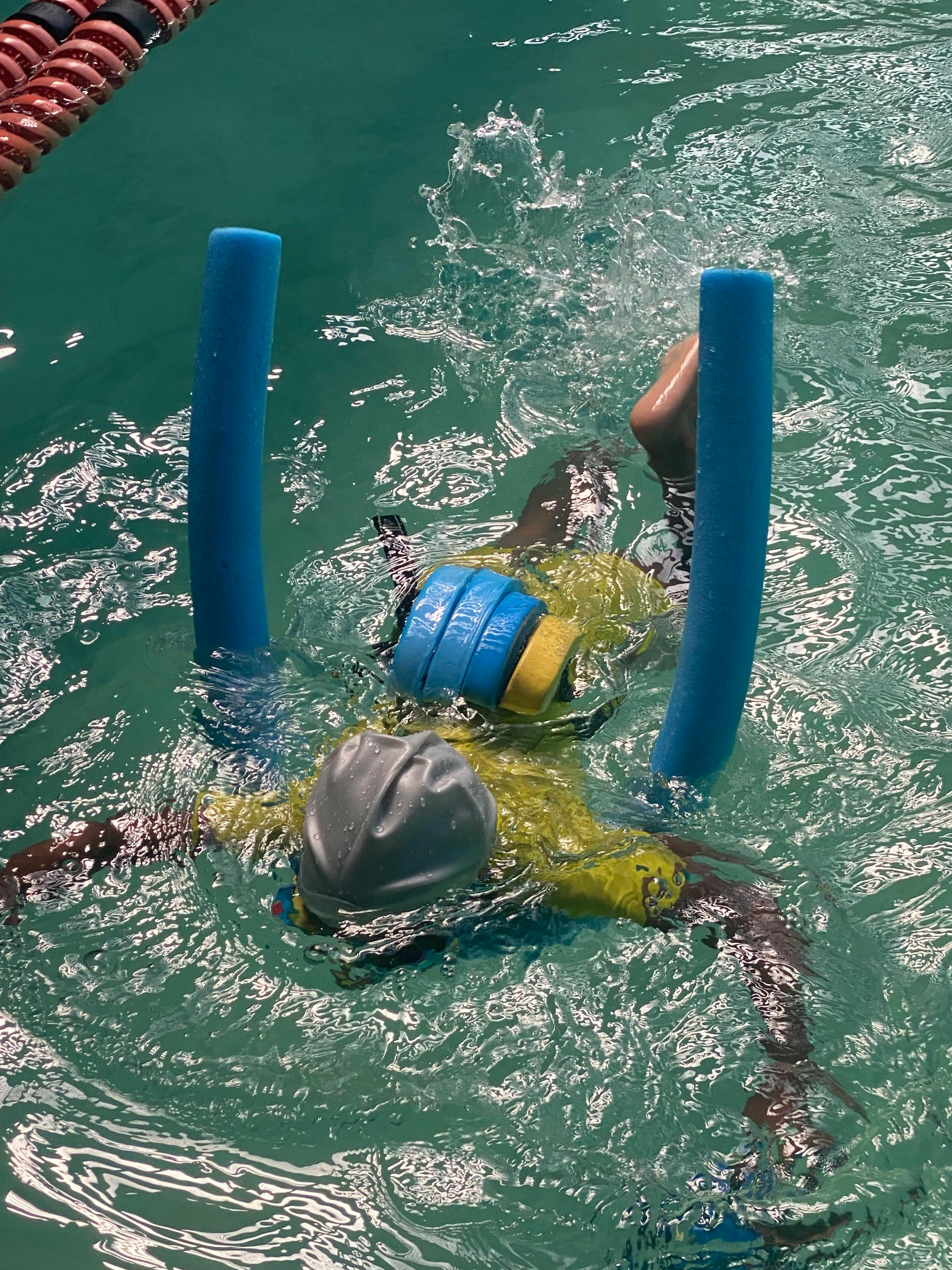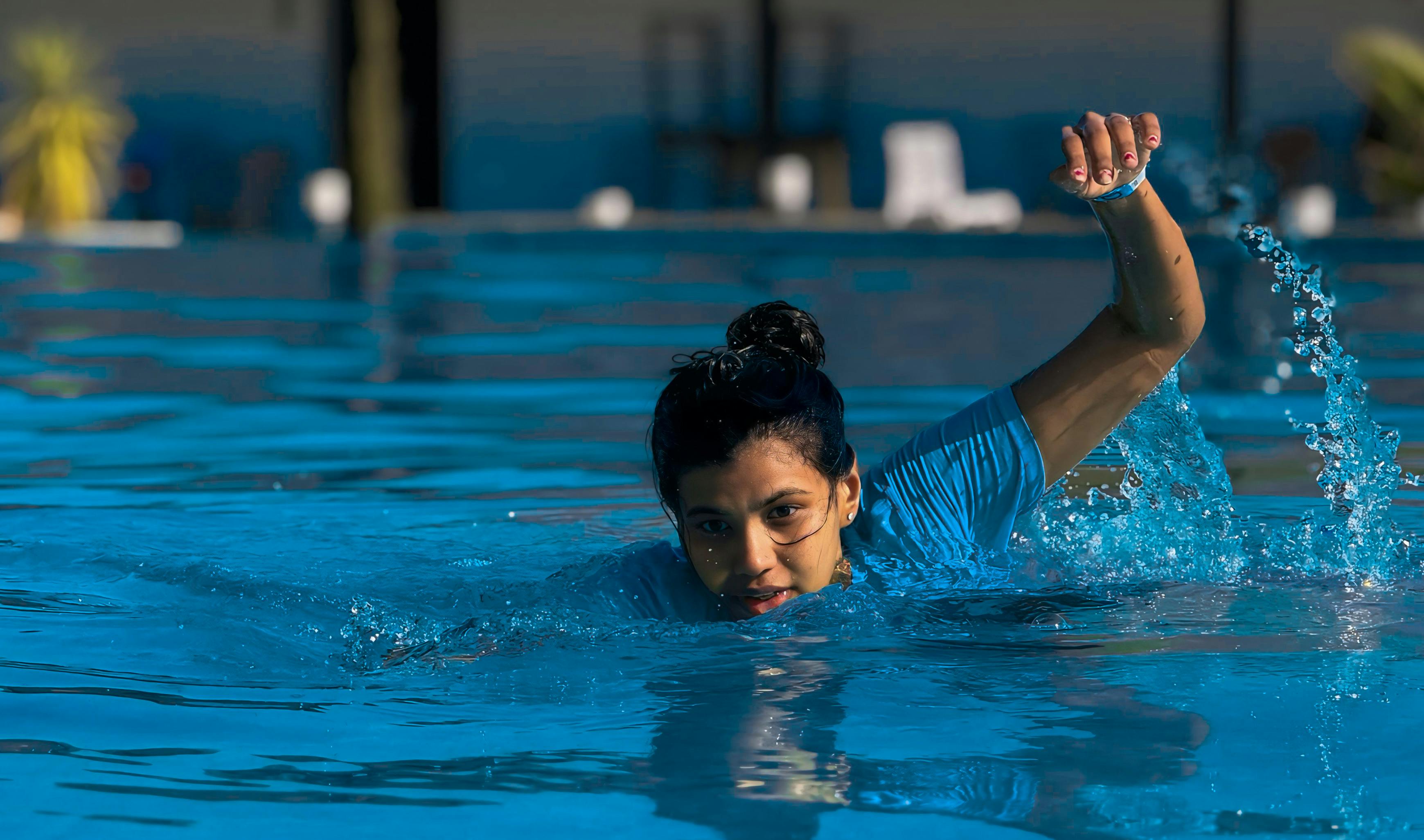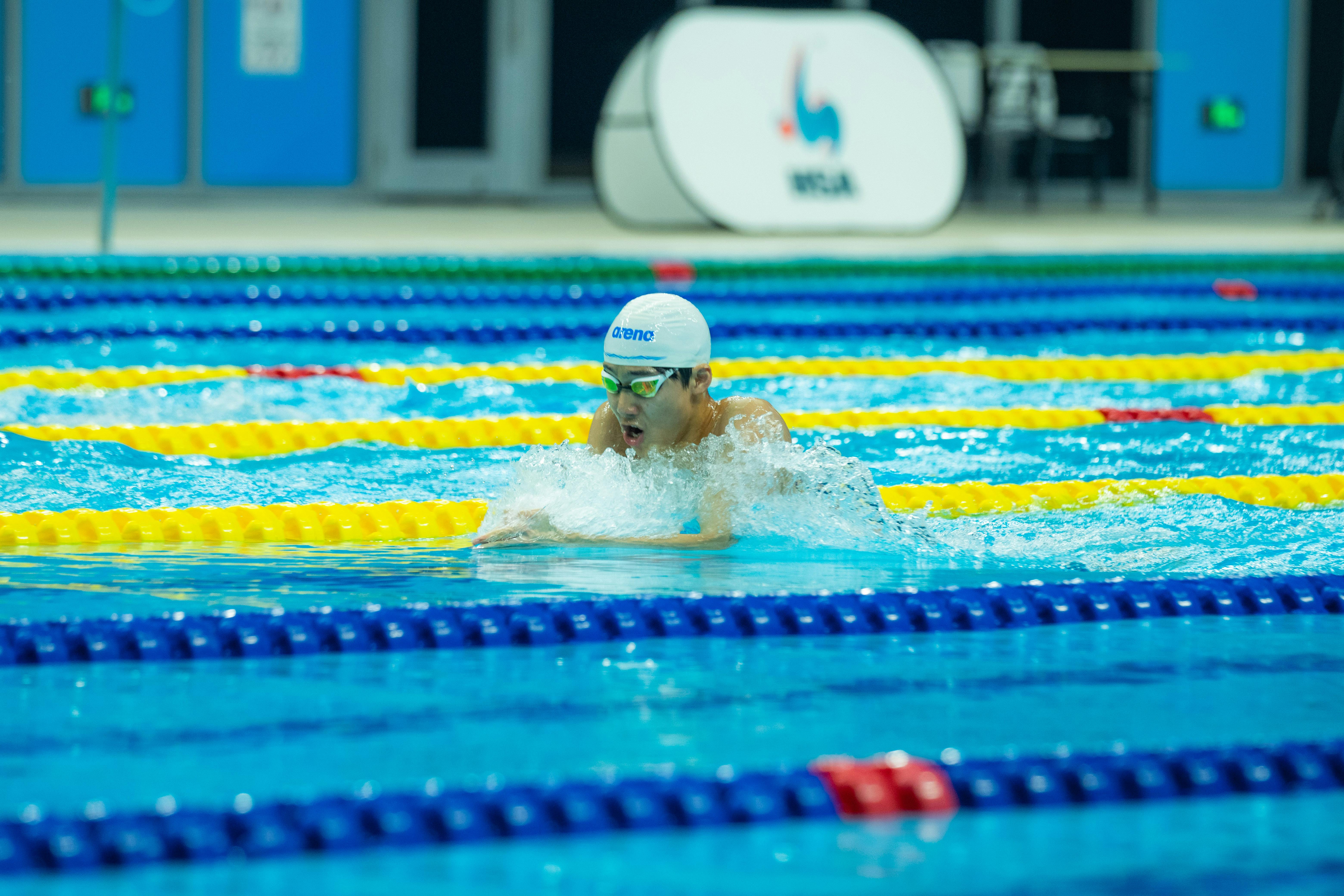

Swimming is more than a physical discipline; it is a sport where cognitive, emotional, and physiological systems interact in intricate ways. The aquatic environment creates unique psychological dynamics, influencing stress regulation, focus, personality strengths, and overall mental well-being. Recent studies in sport psychology highlight swimming as a model for understanding how body and mind converge under demanding conditions.
Thank you for reading this post, don’t forget to subscribe!1. Stress Regulation in Aquatic Environments
- Dual Nervous System Response: Swimming activates the sympathetic nervous system through exertion, while rhythmic breathing and buoyancy stimulate parasympathetic recovery. This dual mechanism reduces cortisol levels and enhances resilience.
- Sensory Reduction Effect: The muffled sound and tactile immersion of water act as a buffer against external stimuli, fostering psychological calm.
- Empirical Evidence: Research published in the Journal of Sport and Health Science (2019) found that structured swim training significantly lowered anxiety in adolescents, strengthening their stress-coping capacity.
2. Flow States and Cognitive Load
- Flow Theory (Csikszentmihalyi): Swimming’s repetitive, rhythmic movements naturally facilitate flow—a state of deep immersion linked to peak performance.
- Cognitive Complexity: Coordinating breathing, strokes, kicks, and spatial orientation imposes high cognitive load. In flow states, these tasks become automated, maximizing efficiency.
- Elite Athlete Insights: A study in the International Journal of Sport Psychology (2021) reported that swimmers who cultivated flow through visualization and pre-race routines experienced reduced anxiety and improved race outcomes.
3. Personality Strengths as Performance Mediators
- Core Traits: Self-regulation, perseverance, and optimism are strongly correlated with swimming success.
- Stress as a Moderator: Findings in Frontiers in Psychology (2020) suggest that stress levels determine whether personality strengths are fully expressed. High stress suppresses strengths, while low stress amplifies them.
- Applied Model: The “Stress–Strength–Performance” framework offers predictive value for coaching interventions in competitive swimming.
4. Mental Health Dimensions
- Elite Athletes: Even icons like Michael Phelps have openly discussed struggles with depression and anxiety post-retirement, underscoring the psychological toll of high-performance sport.
- General Population: Swimming aligns with the concept of Blue Health, where aquatic environments promote psychological restoration. A Lancet Planetary Health (2018) study confirmed that exposure to water-based settings enhances mood and life satisfaction.
- Therapeutic Potential: Swimming has been integrated into rehabilitation programs for PTSD and anxiety disorders, combining physical exertion with calming sensory immersion.
5. Psychological Training Techniques
- Visualization: Mental rehearsal of successful strokes builds confidence and focus.
- Breath Control: Integrating meditative breathing with aquatic training reduces pre-race anxiety.
- Pre-performance Routines: Structured rituals before competition provide predictability and psychological stability.
- Cognitive-Behavioral Strategies (CBT): Reframing negative thoughts into constructive self-talk enhances resilience and performance.
Conclusion
Swimming is not merely a sport but a psychological laboratory where stress regulation, flow, personality strengths, and mental health converge. For athletes and recreational swimmers alike, understanding these psychological mechanisms is crucial. By integrating dryland training with mental conditioning, swimmers can achieve not only faster times but also greater emotional balance and long-term well-being.