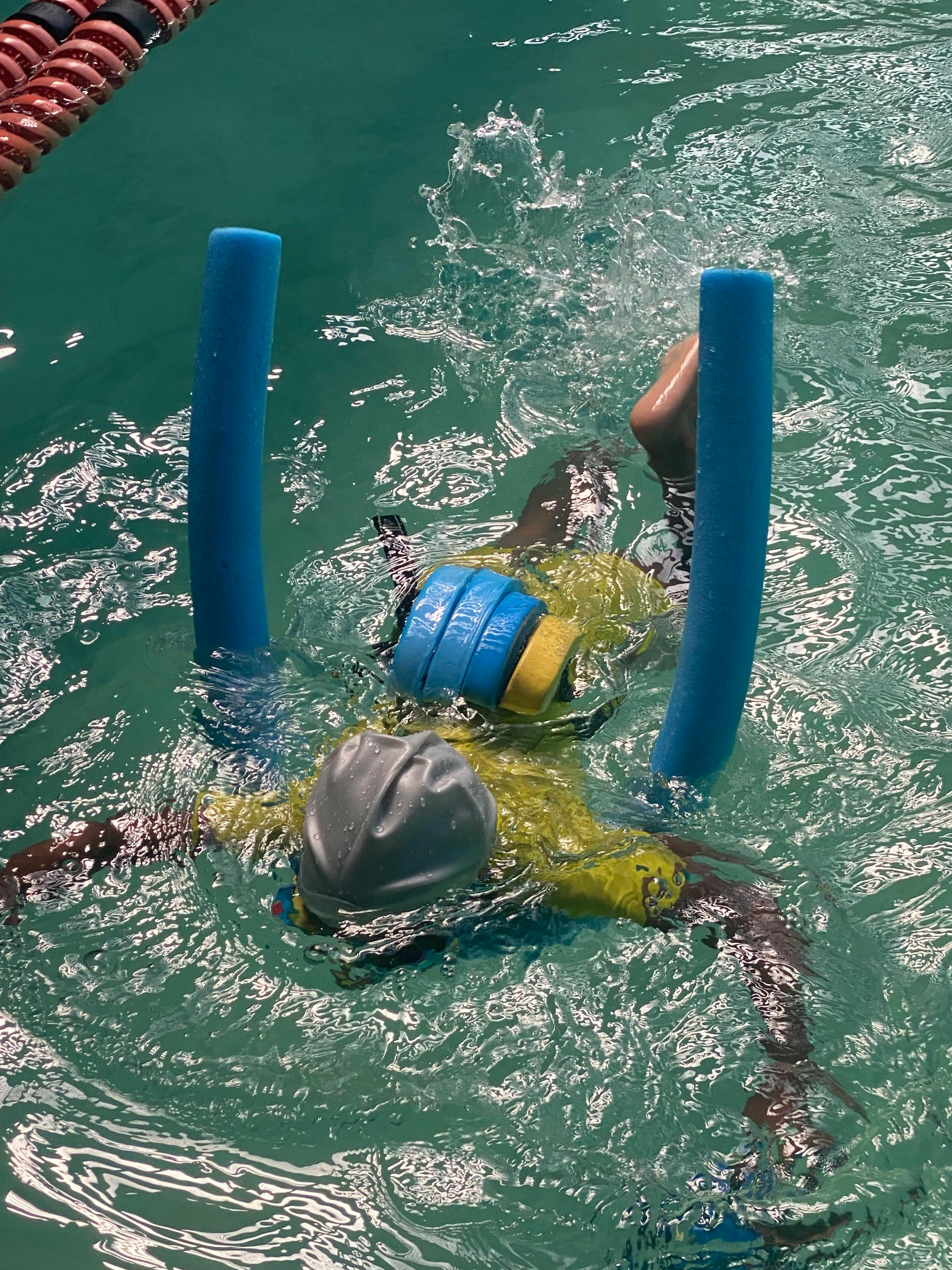
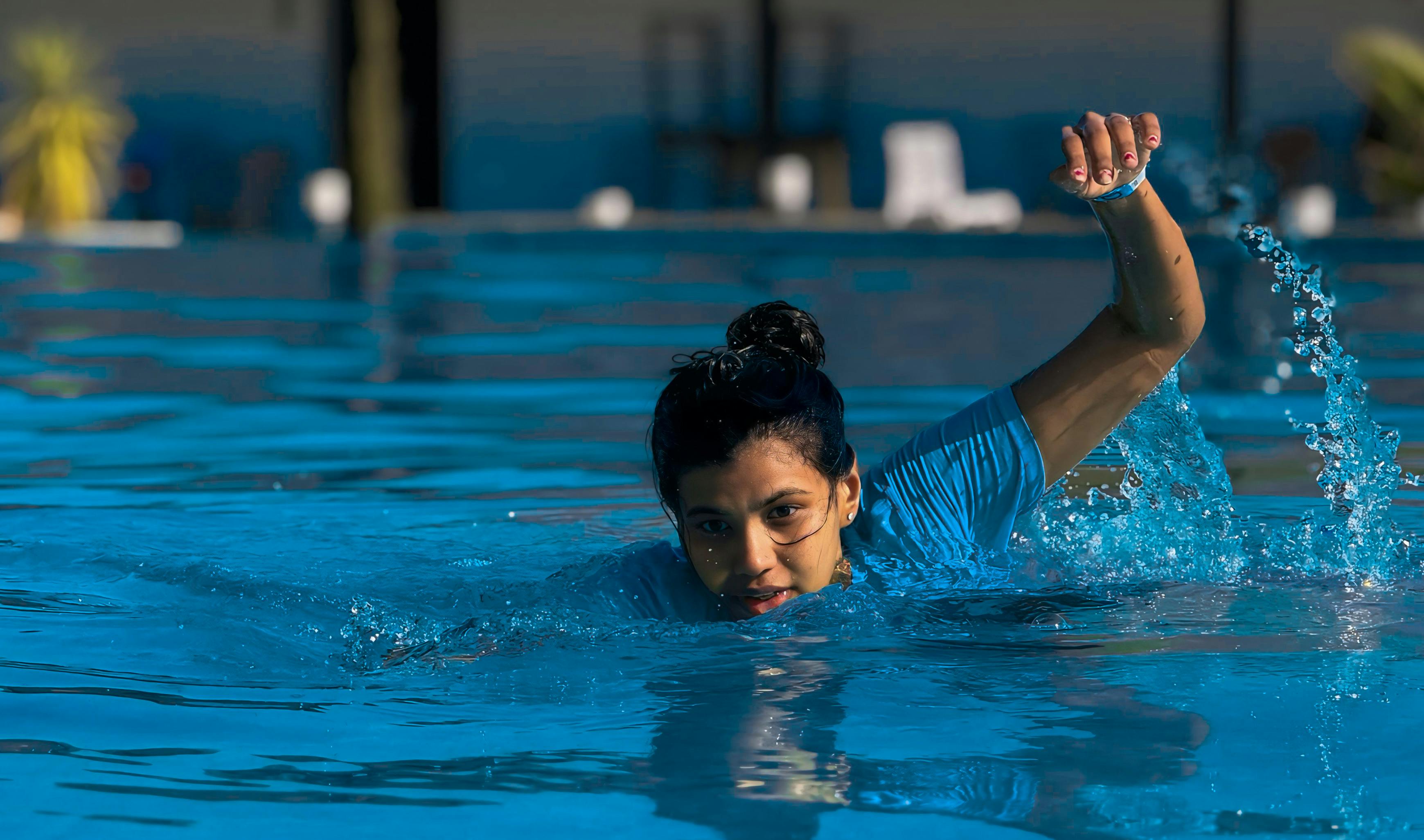
For people with diabetes, swimming isn’t just exercise — it can be a powerful therapeutic tool.
Thank you for reading this post, don’t forget to subscribe!

Introduction
Diabetes affects hundreds of millions of people worldwide, and its prevalence continues to rise at an alarming rate. Managing this chronic condition requires a multi-pronged approach: medication, dietary changes, and — critically — regular physical exercise. Among all the exercise options available, swimming stands out as one of the most recommended activities for people with diabetes. It combines the benefits of aerobic conditioning with low joint impact, making it accessible to a broad range of patients regardless of fitness level or age.
This post takes a deep dive into the relationship between swimming and diabetes management — exploring the physiological mechanisms at work, the major advantages, the potential drawbacks, and the essential precautions every diabetic swimmer should know.
🔬 How Swimming Affects Blood Sugar: The Physiology
To understand why swimming is so beneficial for diabetes, it helps to understand how exercise interacts with insulin and blood glucose.
When muscles contract during exercise, the body mobilizes a protein called GLUT-4 (Glucose Transporter Type 4) to the surface of muscle cells. GLUT-4 acts as a gateway, pulling glucose from the bloodstream into the cells where it’s used as energy. Crucially, this process can occur independently of insulin — meaning exercise mimics the action of insulin and lowers blood sugar even in people with impaired insulin function.
Swimming engages nearly every major muscle group simultaneously — arms, legs, core, and back — which amplifies this glucose-clearing effect dramatically. A 30- to 60-minute swim can produce an immediate drop in blood sugar levels, and with consistent practice, it enhances insulin sensitivity over the long term, improving the body’s ability to regulate glucose more efficiently.
✅ The Benefits of Swimming for Diabetes
1. Direct Blood Sugar Reduction
As an aerobic exercise, swimming burns glucose as its primary fuel source, producing an immediate and measurable drop in blood sugar during and after activity. Clinical research suggests that regular aerobic exercise can reduce HbA1c (glycated hemoglobin — a 3-month blood sugar average) by approximately 0.5–0.7%, a clinically meaningful improvement for most people with Type 2 diabetes.
2. Improved Insulin Sensitivity
Consistent swimming training increases the density and activity of GLUT-4 transporters in muscle tissue, meaning your muscles become more efficient at absorbing glucose. For people with Type 2 diabetes — where insulin resistance is the core problem — this improvement in insulin sensitivity can reduce dependence on medication over time.
3. Weight and Body Fat Reduction
Obesity and visceral fat are among the primary drivers of Type 2 diabetes. Swimming burns between 400–700 calories per hour depending on stroke and intensity, making it a highly effective tool for weight management. As body fat decreases, insulin resistance typically improves in parallel — creating a positive feedback loop for metabolic health.
4. Low Impact on Joints
Many people with diabetes are overweight or experience joint problems related to diabetic complications or aging. Water buoyancy supports approximately 90% of body weight, dramatically reducing the stress on knees, hips, and ankles compared to land-based exercise. This makes swimming accessible to patients who find walking, running, or cycling painful.
5. Cardiovascular Health
People with diabetes face a 2–4 times higher risk of heart disease and stroke compared to the general population. Swimming strengthens the heart, lowers blood pressure, reduces triglycerides, and raises HDL (“good”) cholesterol — all of which directly counteract cardiovascular risk factors associated with diabetes.
6. Stress and Cortisol Reduction
Stress hormones like cortisol raise blood sugar by stimulating glucose release from the liver. Swimming has a remarkable calming effect on the nervous system — the rhythmic breathing, the sensory immersion in water, and the repetitive stroke patterns all promote a meditative, low-stress state. Managing psychological stress is an often-overlooked component of blood sugar control.
7. Improved Peripheral Circulation
Diabetic peripheral neuropathy — nerve damage in the feet and legs — is a common and serious complication of long-term diabetes. Swimming promotes peripheral blood flow through the hydrostatic pressure of water and regular muscular activity, which may help preserve microvascular function and reduce neuropathy symptoms over time.
⚠️ Drawbacks and Limitations of Swimming for Diabetics
1. Unpredictable Blood Sugar Response
Unlike walking or cycling, swimming can produce highly variable blood sugar responses. Water temperature, stroke type, and exercise intensity all influence glucose metabolism differently. High-intensity interval swimming (e.g., repeated fast freestyle sprints) can actually raise blood sugar temporarily due to the release of adrenaline, glucagon, and cortisol — counterintuitive hormones that trigger glucose release from the liver during intense exertion.
2. Difficulty Detecting Hypoglycemia in Water
Sweating — one of the earliest warning signs of low blood sugar — is invisible while swimming. This makes it much harder to recognize hypoglycemia before it becomes dangerous. A hypoglycemic episode in the water can lead to disorientation, loss of coordination, or unconsciousness — all of which pose serious drowning risks.
3. Foot Hygiene and Skin Infection Risks
People with diabetes have compromised immune defenses and are significantly more susceptible to bacterial and fungal infections. Public pool environments are a known transmission route for athlete’s foot, plantar warts, and bacterial skin infections. Additionally, prolonged chlorine exposure causes skin dryness, and in diabetic patients, dry, cracked skin can become a portal for serious infection.
4. Undetected Foot Injuries
Diabetic peripheral neuropathy reduces sensation in the feet. This means swimmers may step on rough pool surfaces, ladder rungs, or pool drains and sustain cuts or abrasions without feeling them. Even minor foot wounds in diabetic patients can escalate into cellulitis, deep infections, or in severe cases, a risk of amputation.
5. Access and Consistency Challenges
Swimming requires access to a pool, which involves costs, scheduling constraints, and seasonal limitations. These barriers can make it harder to establish and maintain the consistent routine that is essential for long-term blood sugar benefits.
🚨 Essential Safety Guidelines for Diabetic Swimmers
Before Swimming
- Check blood glucose: Always test before entering the water.
- Below 100 mg/dL: Eat a 15–20g carbohydrate snack and retest before swimming.
- 250 mg/dL or above: Skip the session — there may be a risk of diabetic ketoacidosis (DKA).
- Consult your doctor: Before beginning a swimming program, work with your healthcare provider to adjust medication timing and dosing as needed.
- Prepare hypoglycemia supplies: Keep fast-acting carbohydrates (juice, glucose gel, candy) at the pool deck within easy reach.
- Inform lifeguards or companions: Let the people around you know you have diabetes and explain the signs of low blood sugar and how to help.
During Swimming
- Start gradually: Begin with 20–30 minutes at moderate intensity and increase over weeks.
- Know your warning signs: Dizziness, shaking, blurred vision, sudden fatigue, or confusion are warning signs of hypoglycemia. Exit the pool immediately if you feel any of these.
- Avoid swimming alone: Always swim with a buddy or in a supervised setting.
After Swimming
- Inspect your feet: Carefully check between toes and the entire sole for any cuts, blisters, or cracks after every session.
- Moisturize: Pat skin dry completely, then apply a diabetic-friendly moisturizer — but not between the toes, as moisture there promotes fungal growth.
- Re-check blood glucose: Exercise-induced hypoglycemia can be delayed by up to 24 hours after a workout. Monitor blood sugar for several hours post-swim.
- Hydrate: Swimmers can become dehydrated without realizing it. Drink water before, during (if possible), and after swimming.
📊 Which Stroke Is Best for Blood Sugar Management?
| Stroke | Intensity | Notes |
|---|---|---|
| Freestyle (Front Crawl) | Medium–High | Full-body workout, highest calorie burn |
| Backstroke | Medium | Easy on the lower back, natural breathing rhythm |
| Breaststroke | Medium | Caution with knee conditions |
| Butterfly | High | Advanced; not recommended for beginners |
| Water Aerobics | Low–Medium | Minimal joint stress; ideal for older adults and beginners |
For blood sugar management, freestyle or backstroke at moderate intensity are generally the most recommended options. Water aerobics is an excellent alternative for those with limited fitness or joint issues.
💡 Recommended Exercise Frequency
The American Diabetes Association (ADA) recommends the following for adults with diabetes:
- At least 150 minutes per week of moderate-intensity aerobic activity (including swimming)
- No more than 2 consecutive days without exercise (to maintain insulin-sensitizing effects)
- Resistance training 2–3 times per week in addition to aerobic exercise
Translated to a swimming routine, this means 3–5 sessions per week, 30–50 minutes per session at moderate effort is an ideal target for most patients.
Conclusion
Swimming is one of the most well-rounded exercise choices available to people with diabetes. It improves blood sugar control, enhances insulin sensitivity, supports cardiovascular health, aids in weight management, and provides meaningful psychological benefits — all while being gentle on the body. Few other activities offer this combination.
However, the benefits come with real responsibilities. Hypoglycemia risk management, foot care, and pre/post-workout blood glucose monitoring are non-negotiable habits for diabetic swimmers. Starting slowly, building gradually, and always consulting your healthcare provider before beginning or intensifying a program are essential first steps.
With the right precautions in place, swimming can become not just a form of exercise, but a cornerstone of a diabetes management strategy — one that improves quality of life in and out of the water.
Disclaimer: This article is intended for general informational purposes only and does not constitute medical advice, diagnosis, or treatment. Always consult your physician or qualified healthcare provider before beginning any new exercise program, especially if you have a chronic medical condition such as diabetes.
#Diabetes #Swimming #BloodSugarControl #DiabetesExercise #AerobicExercise #Type2Diabetes #HealthyLiving #DiabetesManagement