
Diving is far more than simply jumping into water. It is a sport that combines artistic expression, biomechanics, psychology, and extreme courage. From Olympic springboard and platform diving to the breathtaking spectacle of high diving from cliffs or towering platforms, diving challenges the limits of human performance. This article explores the fundamentals of diving, safety considerations, the unique demands of high diving, and the psychological aspects that make this sport both beautiful and dangerous.
Thank you for reading this post, don’t forget to subscribe!1. The Structure of a Dive
Every dive can be broken down into three essential phases:
- Take-off
- The diver launches from a springboard or platform.
- Balance and explosive power are crucial, as even a slight misstep alters the trajectory.
- Aerial Maneuvers
- Divers perform rotations, twists, and body positions (tuck, pike, straight).
- Judges evaluate precision, control, and artistic impression.
- Entry
- The final moment defines the dive.
- Ideally, divers enter the water vertically, minimizing splash.
- In high diving, entry technique is critical to avoid injury due to extreme velocity.
2. Safety Considerations in Diving
Diving is visually graceful but physically demanding. Safety is paramount:
- Body Alignment: Incorrect posture during entry can cause serious injuries to the spine, shoulders, or knees.
- Controlled Breathing: Anxiety and tension affect timing; divers train in breath control to maintain calm.
- Progressive Training: Beginners start from low heights, gradually increasing elevation to build confidence and technique.
- Physical Conditioning: Strong core, flexible shoulders, and powerful legs are essential to withstand impact forces.
- Mental Preparation: Visualization and routine help divers overcome fear and maintain focus.
3. High Diving: The Extreme Frontier
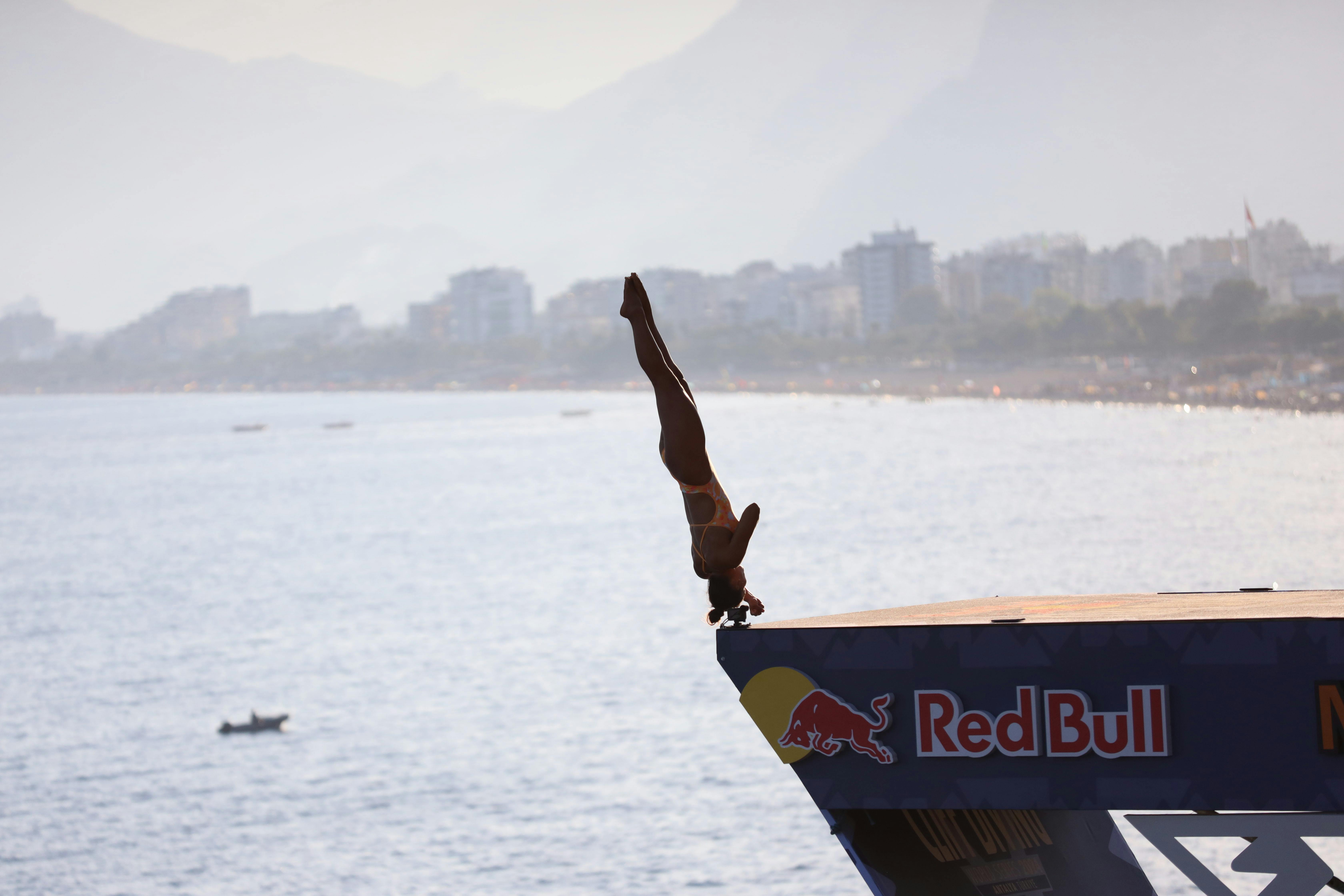
High diving is the most spectacular and dangerous form of diving. Unlike Olympic diving from 10 meters, high divers leap from 20–27 meters (men) and 18–20 meters (women) platforms, often outdoors on cliffs or temporary structures.
Key Characteristics
- Velocity: Divers reach speeds of up to 85 km/h before hitting the water.
- Impact Forces: The body experiences immense pressure; improper entry can result in severe injury.
- Spotting Technique: Divers must visually locate the water during rotations to adjust body position before entry.
- Feet-first Entry: Unlike Olympic diving, high divers almost always enter feet-first to reduce risk of head or neck trauma.
Famous High Divers
- Gary Hunt (UK): Known as the “Wizard of High Diving,” famous for complex twists and rotations.
- Orlando Duque (Colombia): A pioneer and multiple-time world champion, celebrated for his artistry and consistency.
- FINA World Championships: Since 2013, high diving has been an official discipline, showcasing athletes from around the globe.
4. The Psychology of Diving
Diving is as much mental as physical. Athletes must master fear, focus, and emotional regulation.
- Fear Management: Standing on a 27-meter platform triggers natural fear responses. Divers use breathing techniques and mental rehearsal to stay calm.
- Flow State: The repetitive rhythm of diving fosters deep concentration, allowing athletes to perform complex maneuvers almost automatically.
- Visualization: Mental imagery of successful dives enhances confidence and precision.
- Resilience: Coping with mistakes and maintaining composure under pressure is vital in competition.
5. Training Routines for Divers
Professional divers follow rigorous routines combining physical and psychological preparation:
- Strength Training: Squats, lunges, and core exercises build explosive power and stability.
- Flexibility Work: Yoga and dynamic stretching improve range of motion for aerial maneuvers.
- Dryland Drills: Trampolines and harnesses allow safe practice of rotations and twists.
- Mental Conditioning: Meditation, visualization, and cognitive-behavioral strategies help manage anxiety.
- Gradual Exposure: Athletes progress from lower heights to extreme platforms, conditioning both body and mind.
6. Diving as Art and Science
Diving is judged not only on technical execution but also on artistry. The sport blends physics, biomechanics, and aesthetics:
- Physics of Rotation: Body position (tuck vs. pike) changes rotational speed.
- Hydrodynamics of Entry: Vertical alignment reduces splash and impact.
- Artistic Impression: Judges reward elegance, creativity, and control.
7. Risks and Rewards
- Risks: Spinal injuries, concussions, joint damage, and psychological stress.
- Rewards: Mastery of fear, physical excellence, artistic expression, and global recognition.
- Balance: Athletes must constantly weigh risk against reward, making safety protocols non-negotiable.
Conclusion
Diving is a sport of paradoxes: graceful yet dangerous, artistic yet scientific, terrifying yet exhilarating. High diving, in particular, pushes human limits, demanding extraordinary courage, precision, and psychological resilience. Whether from a 3-meter springboard or a 27-meter cliff, divers embody the pursuit of perfection in motion.
For spectators, diving is breathtaking artistry. For athletes, it is a lifelong journey of discipline, fear management, and passion. The moment of flight—when diver and gravity meet water—is not just a sport, but a profound human experience.